Meet our scientists! 2025
Saki
Gotoh-
Saito
Saki
Gotoh-
Saito
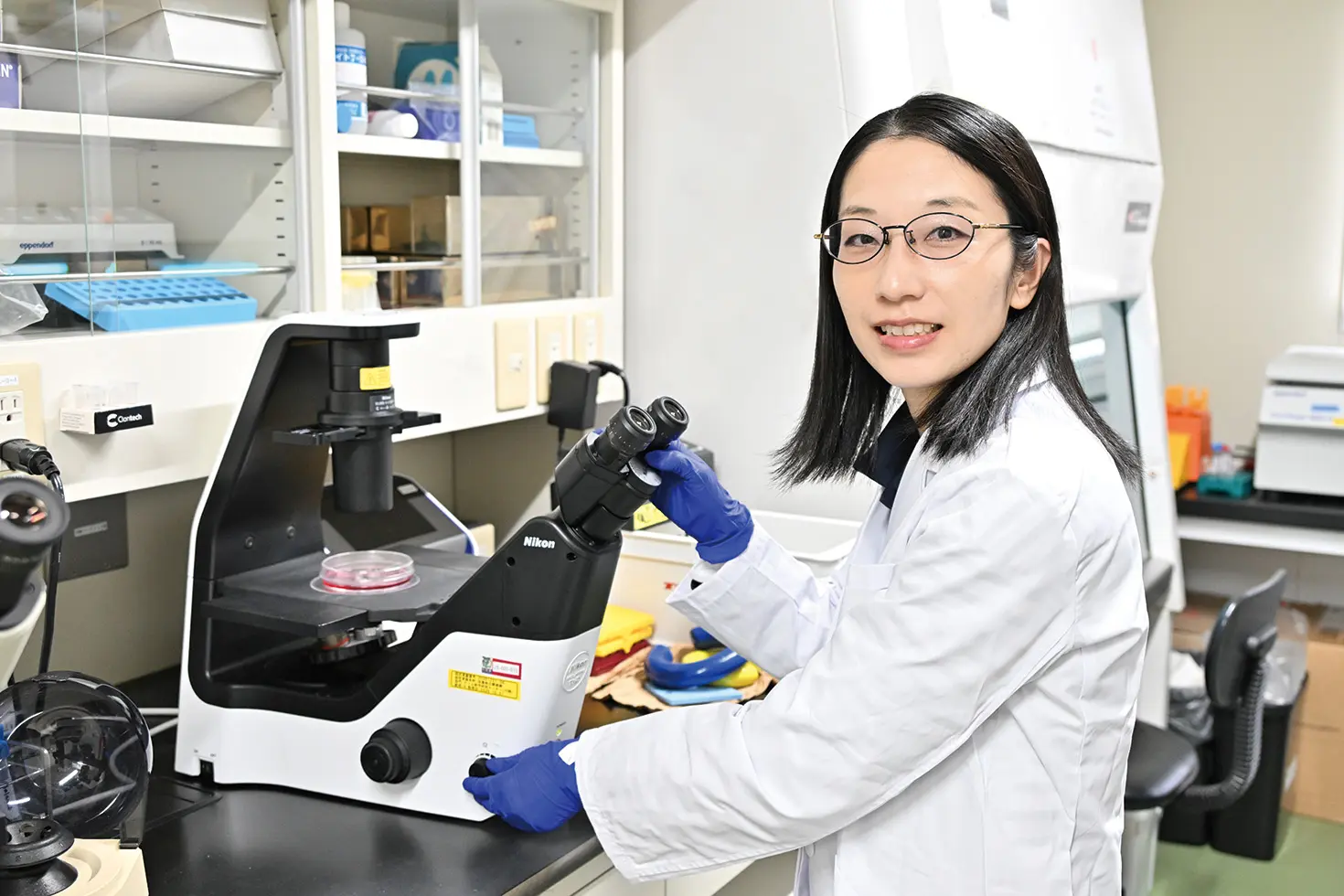
Doctors have been using medicines to treat patients for thousands of years. However, different patients react differently to different medicines, reflecting the unique individuality of each patient. With the advent of whole-genome sequencing, it should theoretically become possible to map the differences between patients and tailor treatments to specific individuals. Saki Gotoh-Saito, a research scientist studying transcription at the Research Center for Genome and Medical Sciences, recently published a paper, Drug-induced cis-regulatory elements in human hepatocytes affect molecular phenotypes associated with adverse reactions, in Nature Communications. In this paper, Dr. Gotoh-Saito identifies variations in non-coding areas of the genome that affect our reactions to different medicines or drugs. Mutations in coding regions of our genomes (DNA sequences that are copied into mRNAs and translated into proteins) are well-known to produce altered proteins that affect different biological functions. However, mapping the effects of variations in regulatory regions (DNA regions that affect the amounts and types of mRNA transcripts made) on traits has been less common but is required for progress towards individualized medicine. We spoke to Dr. Gotoh-Saito about her work.
Kazuhiko
Namekata
Kazuhiko
Namekata
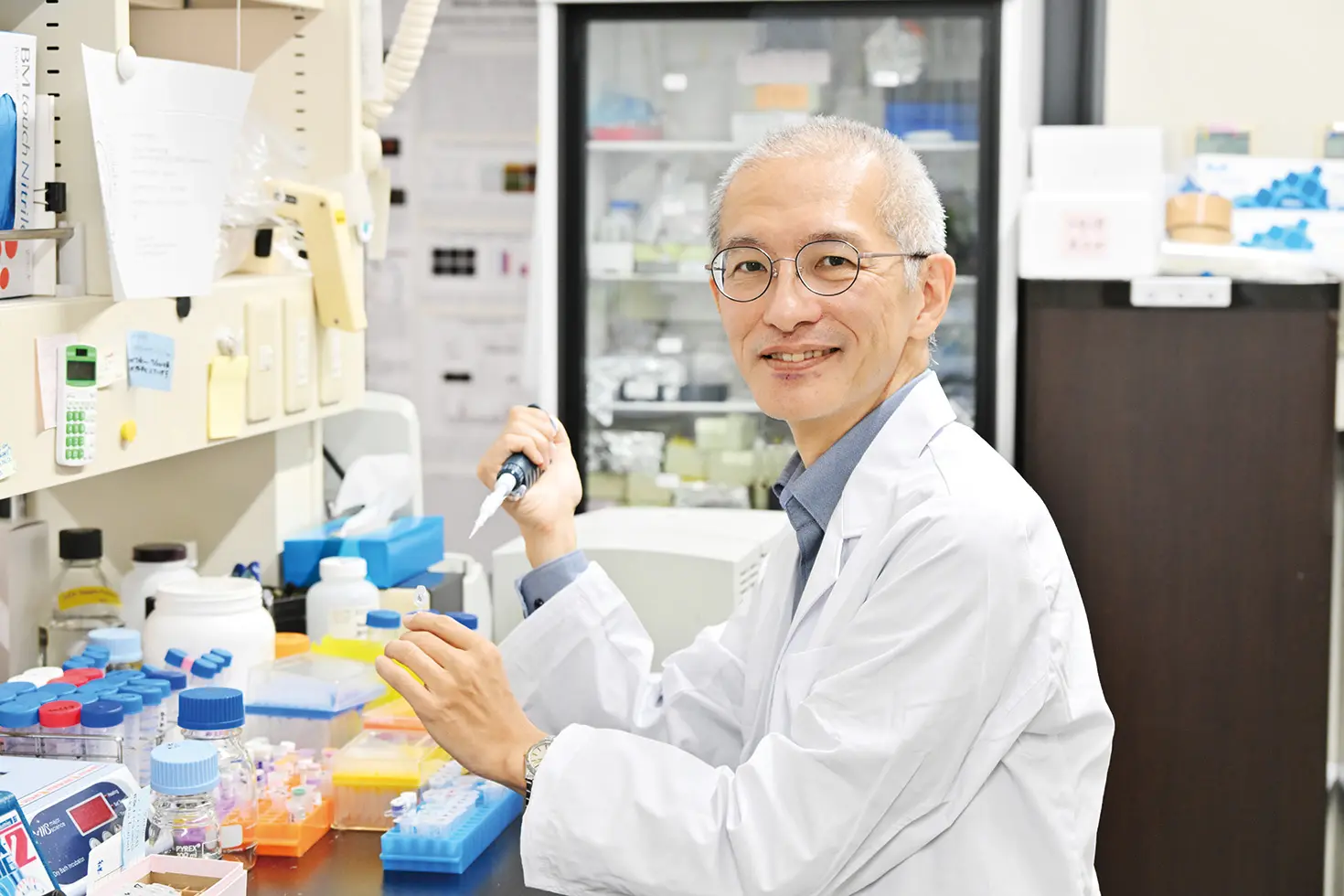
Neurons are highly efficient at transmitting information through axonal processes that can extend over long distances. However, because neurons are highly specialized post-mitotic cells, damage to neurons or their axons is difficult to repair. Dr. Kazuhiko Namekata and colleagues at the Visual Research Project study axonal regeneration using the optic nerve as a model system. Previously, they identified several key factors important for axonal regeneration following injury. They showed that constitutive activation of the BDNF/TrkB signaling pathway enhances regeneration, and further identified activators of DOCK3, a downstream target of BDNF/TrkB, that also enhance regeneration. This past year, they published a paper in Science Advances entitled “Role of HAUS7 as a DOCK3 binding partner in facilitating axon regeneration.” In this study, they build on their previous work to present a more coherent model of the steps involved in axonal regeneration. We spoke to Dr. Namekata about this work.
Syudo
Yamasaki
Syudo
Yamasaki
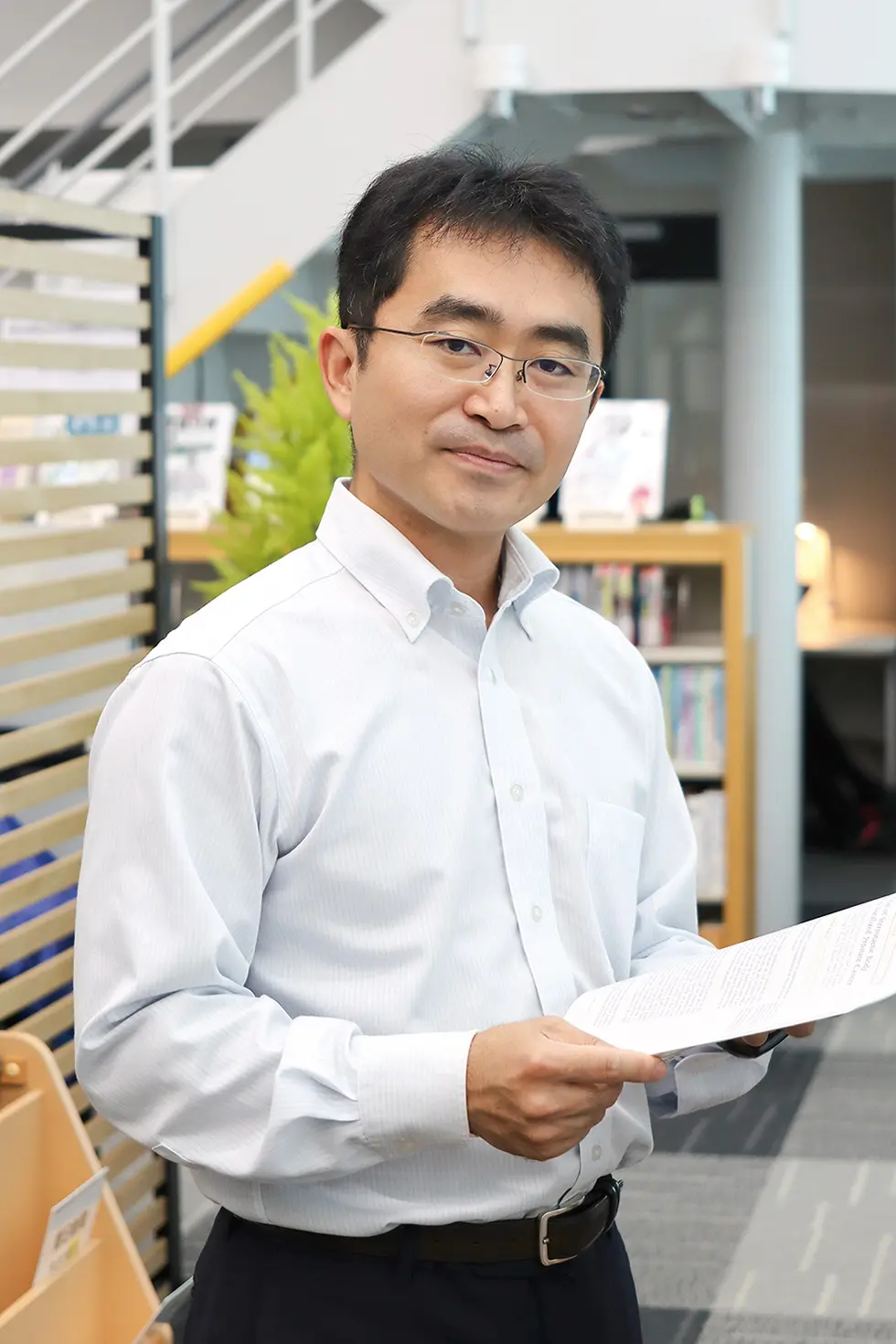
Syudo Yamasaki from the Research Center for Social Science and Medicine was a practicing clinical psychologist for years before joining the Research Center for Social Science and Medicine as a research scientist. He is interested in understanding the causes of mental health problems and depression in adolescents and developing effective treatments. Recently, he and other members of the Research Center collaborated with a group from King’s College in London to publish a paper, Trajectories of depressive symptoms among young people in London, UK, and Tokyo, Japan: a longitudinal cross-cohort study, in Lancet Child and Adolescent Health. We spoke to him about his work.
Interviewed by Jun Horiuch